
Understanding Microneedling: How It Supports Skin Renewal
Learn how microneedling works, what to expect from treatment, and questions to ask before considering this skin procedure.
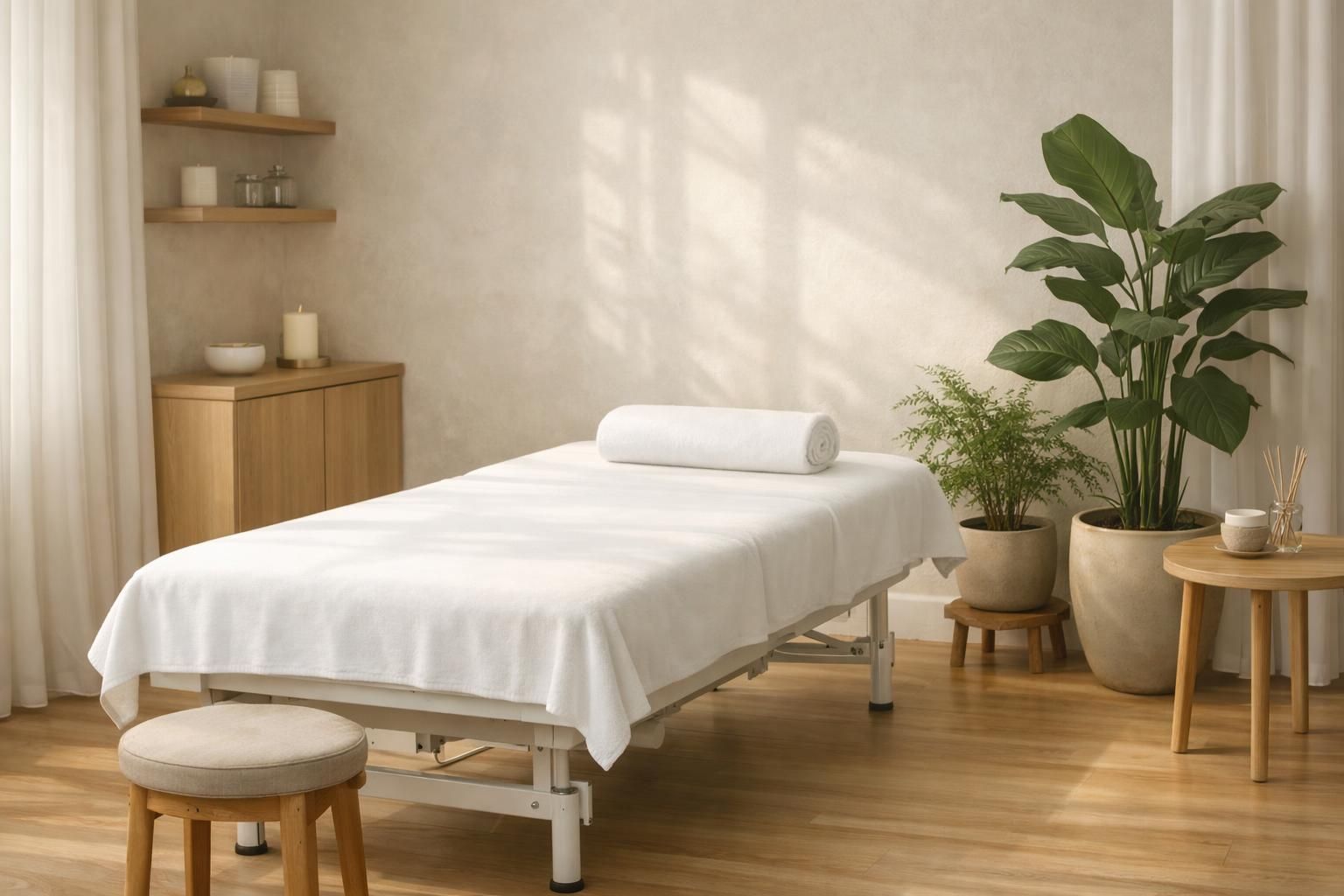
Microneedling is a minimally invasive skin procedure that uses small, sterile needles to create controlled micro-injuries in the skin. This process is designed to support natural skin renewal and may help people interested in addressing concerns like uneven texture, fine lines, or mild scarring. Individuals often consider microneedling when looking for non-surgical options to support skin health.
How Microneedling Works
During a microneedling session, a device with fine needles is moved across the skin. The needles create tiny punctures, which the body responds to by starting its natural repair process. This process can support the production of collagen and elastin, which are proteins important for skin structure and resilience. Individual results vary, and the degree of improvement may depend on factors like age, skin type, and the number of treatments.
What to Expect During and After Treatment
Microneedling is typically performed in a clinic setting. The skin is cleaned, and a topical numbing cream may be applied to help with comfort. The procedure itself usually takes less than an hour, depending on the size of the area treated. After the treatment, the skin may look red and feel sensitive, similar to a mild sunburn. This usually settles within a few days. Some people notice minor swelling or pinpoint bleeding right after the session, which is expected and temporary.
Most people can return to regular activities within a day or two, but it is important to follow aftercare instructions. These often include avoiding sun exposure, not using harsh skincare products, and keeping the skin clean. Makeup is usually not recommended immediately after treatment. The clinic will provide specific guidance for recovery.
Who Might Consider Microneedling
Microneedling may be considered by adults with concerns about mild acne scars, uneven skin tone, fine lines, or enlarged pores. It is not suitable for everyone. Those with active skin infections, certain medical conditions, or who are pregnant should speak with a healthcare provider before considering this procedure. A consultation with a trained provider can help determine if microneedling is appropriate based on individual skin type and health history.
Questions to Ask Before Treatment
Before booking a microneedling session, consider asking these questions:
- What training and experience does the provider have with microneedling?
- How many treatments are recommended for my concerns?
- What can I realistically expect from this procedure?
- What should I do to prepare my skin before treatment?
- What aftercare steps are needed for best recovery?
- What are the possible risks or side effects?
Having clear information can help set realistic expectations and support a safe treatment experience.
Summary
Microneedling is a clinic-based procedure that uses fine needles to encourage skin renewal. It may be an option for those interested in supporting skin texture and appearance without surgery. Because results vary from person to person, a professional consultation is important to determine if this treatment matches individual needs and goals.